Custom labels · OEM & ODM · Factory direct · Worldwide deliverylolynn797@gmail.com

Custom bottle labels printing

Custom Bottle Labels for Glass and Plastic Containers

Made-to-order bottle labels developed around glass, PET, HDPE and other bottle surfaces, approved artwork, application conditions and the supply format required by your packing workflow.

Custom bottle labels printed for glass and plastic containers

Bottle Labels overview

Start with the application, then define the label construction.

A useful bottle labels specification begins with the product and package rather than a material name alone. Bottle diameter, label panel, taper, surface energy, filling process and storage environment all affect how a label should be sized and constructed. The label area, surface energy, curvature, storage environment, handling pattern and expected service period can all influence the face stock, adhesive and protective finish. Sharing those conditions early helps the production discussion stay connected to the way the finished label will actually be used.

BaoSheng Label manufactures from buyer-approved artwork and an agreed custom specification. We review size, shape, color direction, material, finishing and roll or sheet requirements before production. Buyers remain responsible for confirming regulatory wording, product claims, barcodes, symbols and market-specific information. Our role is to translate the approved brief into a practical printing and converting plan without adding unverified claims or assumptions.

Application planning

Where bottle labels need to perform and communicate.

The same keyword can describe very different packaging conditions. These common starting points show why bottle labels should be specified around the exact product, surface and application process.

01

Beverage bottles

Labels can be planned for water, juice, tea and other beverages with refrigeration and condensation considered where relevant. Container material, label-panel dimensions, application temperature and handling should be included in the brief so the construction can be reviewed as a complete system.

02

Cosmetic and personal-care bottles

Brand and information labels for serums, lotions, shampoo and body-care packaging may need moisture and handling resistance. Container material, label-panel dimensions, application temperature and handling should be included in the brief so the construction can be reviewed as a complete system.

03

Household and specialty bottles

Cleaning, fragrance, oil and specialty-product bottles require attention to contact conditions and container material. Container material, label-panel dimensions, application temperature and handling should be included in the brief so the construction can be reviewed as a complete system.

Material and adhesive

Coordinate face stock, adhesive, liner and delivery format.

Material selection for bottle labels should balance appearance with the surface, environment and application method. No single construction is correct for every package.

  1. 01

    Coated paper

    Paper provides a familiar printed surface for dry bottle applications and selected premium brand directions. Suitability should be checked against the actual package, expected exposure, label life and whether application is manual or equipment-assisted.

  2. 02

    BOPP film

    White or clear BOPP can support moisture-prone bottles and smooth consumer packaging. Suitability should be checked against the actual package, expected exposure, label life and whether application is manual or equipment-assisted.

  3. 03

    Synthetic paper or vinyl

    Flexible and tear-resistant materials may suit curved bottles or selected demanding uses. Suitability should be checked against the actual package, expected exposure, label life and whether application is manual or equipment-assisted.

  4. 04

    Container-matched adhesive

    Adhesion should be reviewed for glass, PET, HDPE, coated surfaces, small diameters and tapered panels. Suitability should be checked against the actual package, expected exposure, label life and whether application is manual or equipment-assisted.

Printing and finishing

Build the visual result around approved artwork.

Printing and finishing choices for bottle labels are coordinated with the selected face material, graphic detail, order quantity, handling conditions and desired shelf presentation.

01

Brand color and imagery

CMYK, spot-color direction and approved references help define the intended shelf presentation. Artwork, dieline, color references and finishing areas should be supplied clearly so prepress can review production readiness before approval.
02

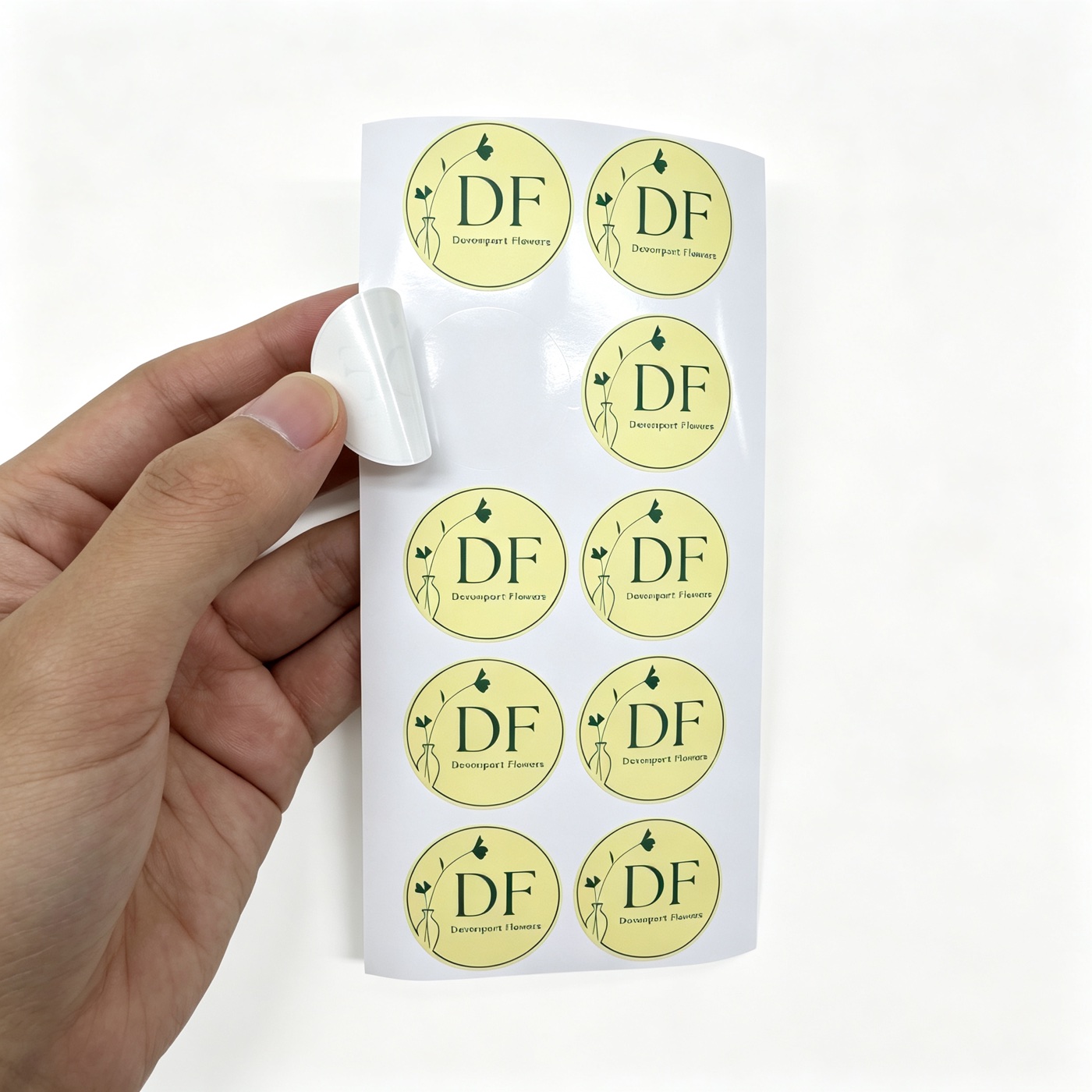
Protective finish

Matte or gloss lamination may support handling protection and the desired surface appearance. Artwork, dieline, color references and finishing areas should be supplied clearly so prepress can review production readiness before approval.

03

Application-ready die cutting

Shape, gap, winding and roll dimensions can be configured for hand or machine bottle labeling. Artwork, dieline, color references and finishing areas should be supplied clearly so prepress can review production readiness before approval.

OEM project planning

Prepare a complete brief for quotation and proofing.

Clear information reduces assumptions and makes it easier to compare options for bottle labels. The final recommendation follows the confirmed application and buyer priorities.

  1. 01

    Document the package

    Share the product format, package material, label panel, dimensions, curvature and photographs. For unusual surfaces, sending an unfilled package or sample can support a more relevant bottle labels review.

  2. 02

    Explain the environment

    Describe storage temperature, moisture, oils, abrasion, squeezing, sunlight, removability or other conditions that matter. Avoid relying on broad terms when the actual exposure can be explained.

  3. 03

    Supply approved artwork

    Provide editable AI, PDF or EPS files with the dieline, bleed, outlined text, color references and clearly identified variable areas. Buyers should verify every required statement before approval.

  4. 04

    Confirm supply and delivery

    Specify quantity, rolls, sheets or individual pieces, plus core size, winding direction, labels per roll, packing needs and delivery country when those details affect the production plan.

Plan your project

Frequently asked questions

Practical answers for sourcing teams.

How do I choose the right material for bottle labels?+

Start with glass, PET, HDPE and other bottle surfaces, the package surface and real exposure conditions. Paper, BOPP, PET, synthetic paper or vinyl may be considered, but the face stock, adhesive and finish should be reviewed together.

Can bottle labels be supplied on rolls?+

Yes. Roll supply can be configured around core size, maximum diameter, winding direction, label gap and the intended dispenser or application equipment. Sheets or individual pieces can also be discussed.

Can I request a custom shape and finish?+

Custom die cutting, matte or gloss lamination, foil and other selected finishes can be reviewed against the artwork, material, label dimensions, quantity and handling requirements.

What artwork is needed for bottle labels?+

Editable AI, PDF or EPS files are preferred, with the approved dieline, bleed, fonts converted to outlines, color references and clear identification of any barcode or variable-information areas.

What should I send for a bottle labels quotation?+

Send the label size, quantity, artwork, package material, application surface, environment, finish preference, supply format and delivery country. Photos or samples are useful for curved or unusual packages.

Start a project

Build a clear bottle labels production brief.

Share the package, surface, environment, artwork, dimensions, quantity, finish, supply format and delivery market. We will review the bottle labels specification and prepare the next questions for quotation.

Request a custom quote
WAWhatsApp