Bottles and jars
Sauces, drinks, preserves and condiments may use paper or film labels depending on moisture, refrigeration, appearance and application requirements.
Custom food label printing
Custom food labels for bottles, jars, pouches, cartons and retail packaging, specified around the surface, storage environment and approved artwork.
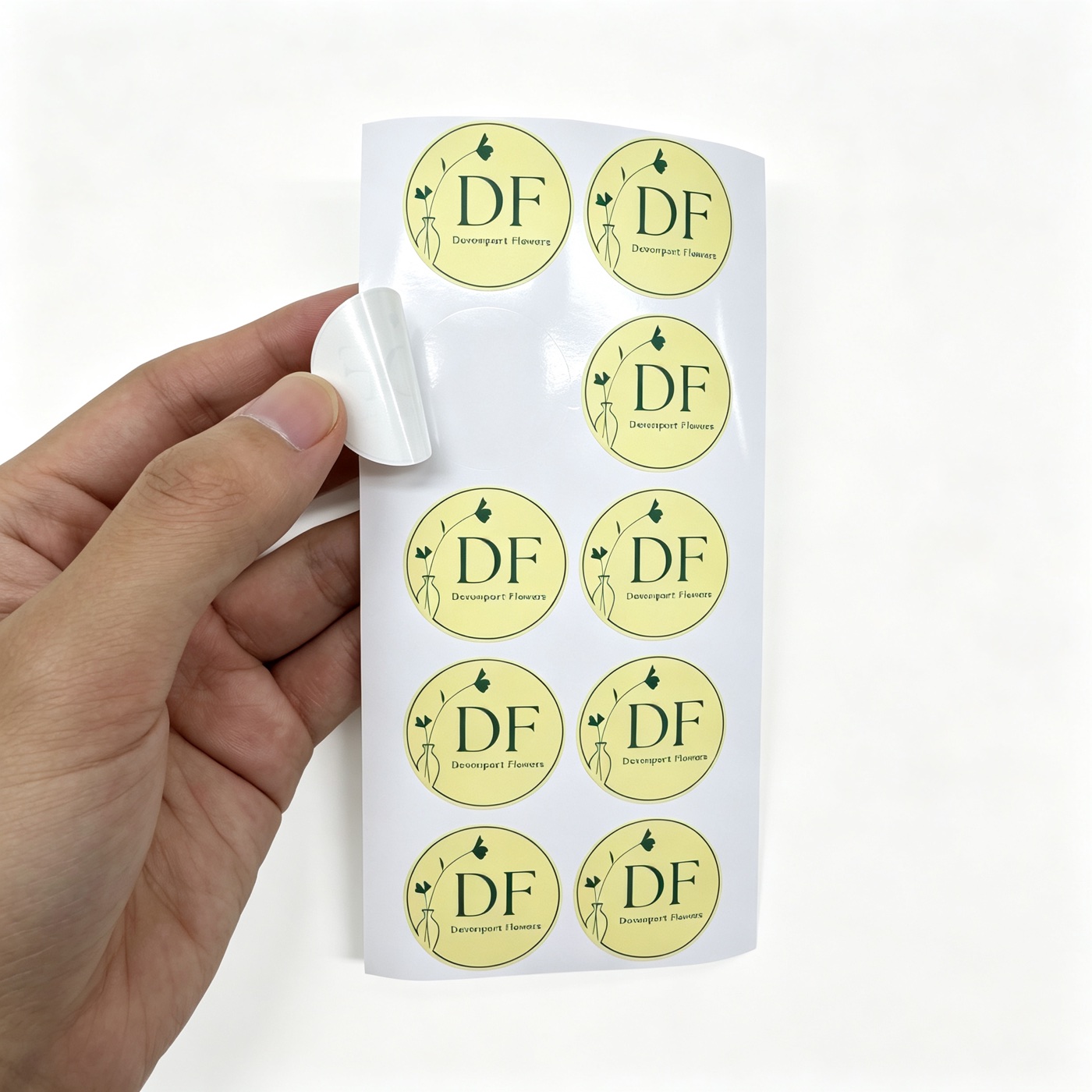
Food label overview
A food label may be applied to glass, plastic, flexible packaging, coated cartons or takeaway containers. It may be stored at ambient temperature, chilled, frozen or exposed to oils and condensation. These variables affect material, adhesive and protective-finish decisions, so the packaging environment should be described before a construction is selected.
Our manufacturing support focuses on producing the buyer's approved artwork and agreed specification. Customers are responsible for supplying and verifying ingredients, allergens, nutrition panels, dates, barcodes, language and other information required by the destination market. We do not add claims or regulatory content that has not been approved by the buyer.
Food packaging applications
Container shape, surface, filling process and storage conditions help define the correct starting point for a custom food label project.
Sauces, drinks, preserves and condiments may use paper or film labels depending on moisture, refrigeration, appearance and application requirements.
Flexible packs and prepared-food containers require attention to the label panel, pack movement, temperature and whether the surface is smooth or textured.
Brand labels, product-information labels and closure seals can support bakery boxes, takeaway packs, gift foods and secondary packaging.
Materials and adhesion
Paper and film can both deliver strong shelf presentation. The choice depends on the packaging surface, exposure conditions, label life and desired brand finish.
Coated paper is a versatile direction for dry goods, cartons, jars and ambient retail packaging where a crisp printed surface is desired.
Natural-looking paper can support artisan, bakery, coffee, gift and specialty-food branding when the storage environment is appropriate.
Film constructions can be considered for bottles, chilled goods or packs that may encounter condensation, moisture and repeated handling.
Glass, HDPE, PET, coated paperboard and flexible packs have different surfaces. Application temperature and label-panel geometry should also be shared.
Printing and finishing
The print plan should balance product photography, color, fine text, barcodes and finishing with the selected material and label dimensions.
CMYK supports photography, illustrations and multi-color branding. Reference files or physical color samples can help communicate important color expectations.
Matte or gloss lamination can be considered for added surface protection and a defined shelf appearance, subject to the complete construction.
Custom die cutting, practical corner radii and suitable label gaps can support both pack design and reliable dispensing from rolls.
Food label sourcing process
Providing packaging and application information alongside the approved artwork helps reduce assumptions during quotation and prepress review.
Send the container material, label area, dimensions, surface shape, filling method and photographs of the packaging.
Note ambient, chilled or frozen storage, condensation, oil contact, handling and the temperature when labels are applied.
Check every ingredient, allergen, nutrition, date, language and barcode element before approving the production artwork.
Confirm rolls, sheets or pieces, plus core size, winding direction, maximum diameter and labels per roll where applicable.
Plan your project
Frequently asked questions
Yes, a construction can be reviewed for chilled products. The package material, application temperature, condensation level, storage duration and handling conditions should be provided.
No. Buyers must provide and approve all nutrition, ingredient, allergen, date, language and regulatory information required for their products and markets.
Yes. Coated paper, kraft-style stocks, BOPP and synthetic materials are possible directions. Selection depends on moisture, storage, package surface and desired appearance.
Roll labels can be configured to application-equipment requirements, including core, roll diameter, winding direction, label gap and liner direction when those details are supplied.
Please provide size, quantity, artwork, packaging material, storage conditions, application method, material preference, finishing, roll or sheet format and delivery country.
Start a project
Share your approved artwork, packaging surface, label size, quantity, storage environment, finishing and supply format. We will review the brief for a custom quotation.
Request a custom quote ↗